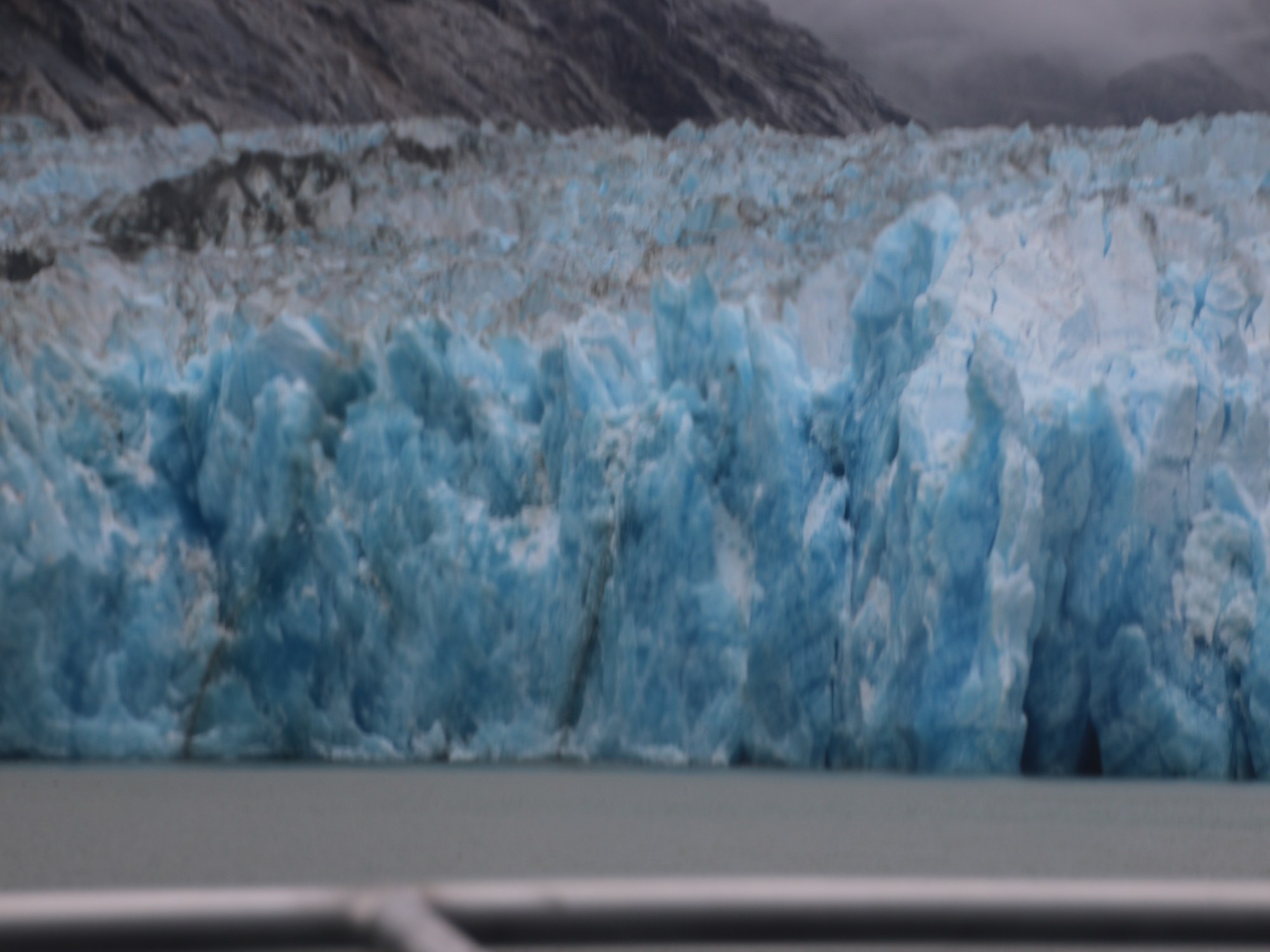
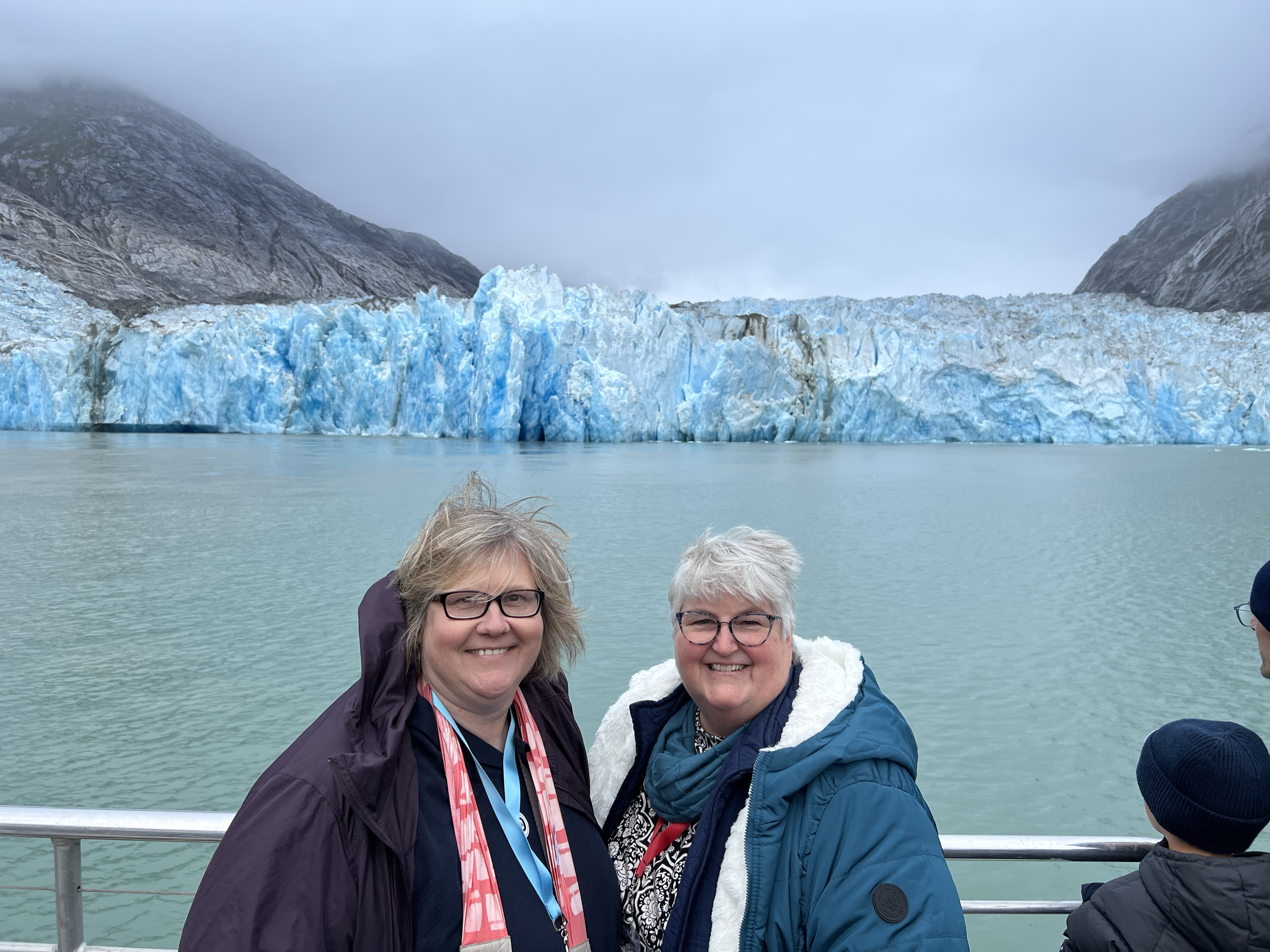
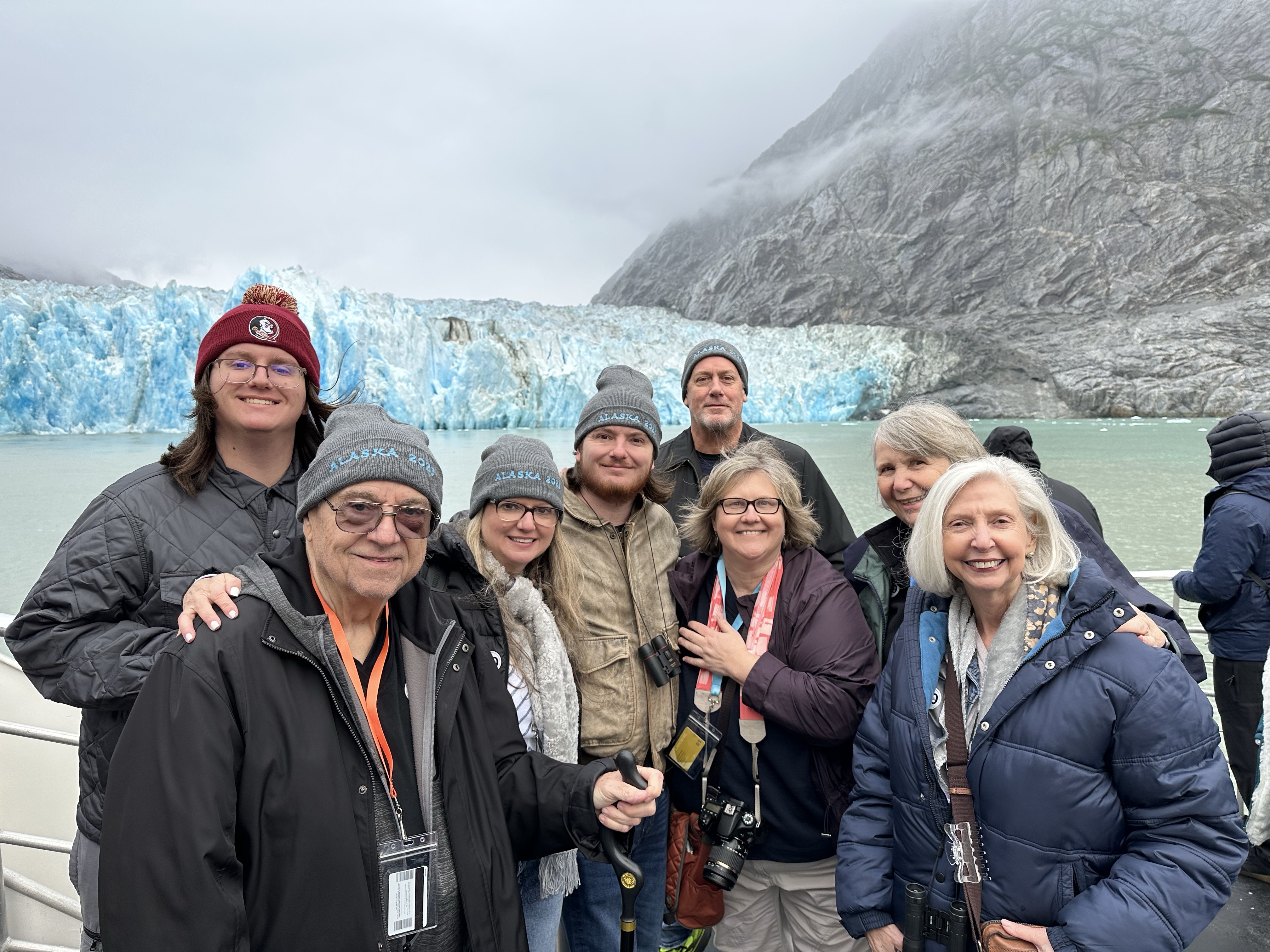
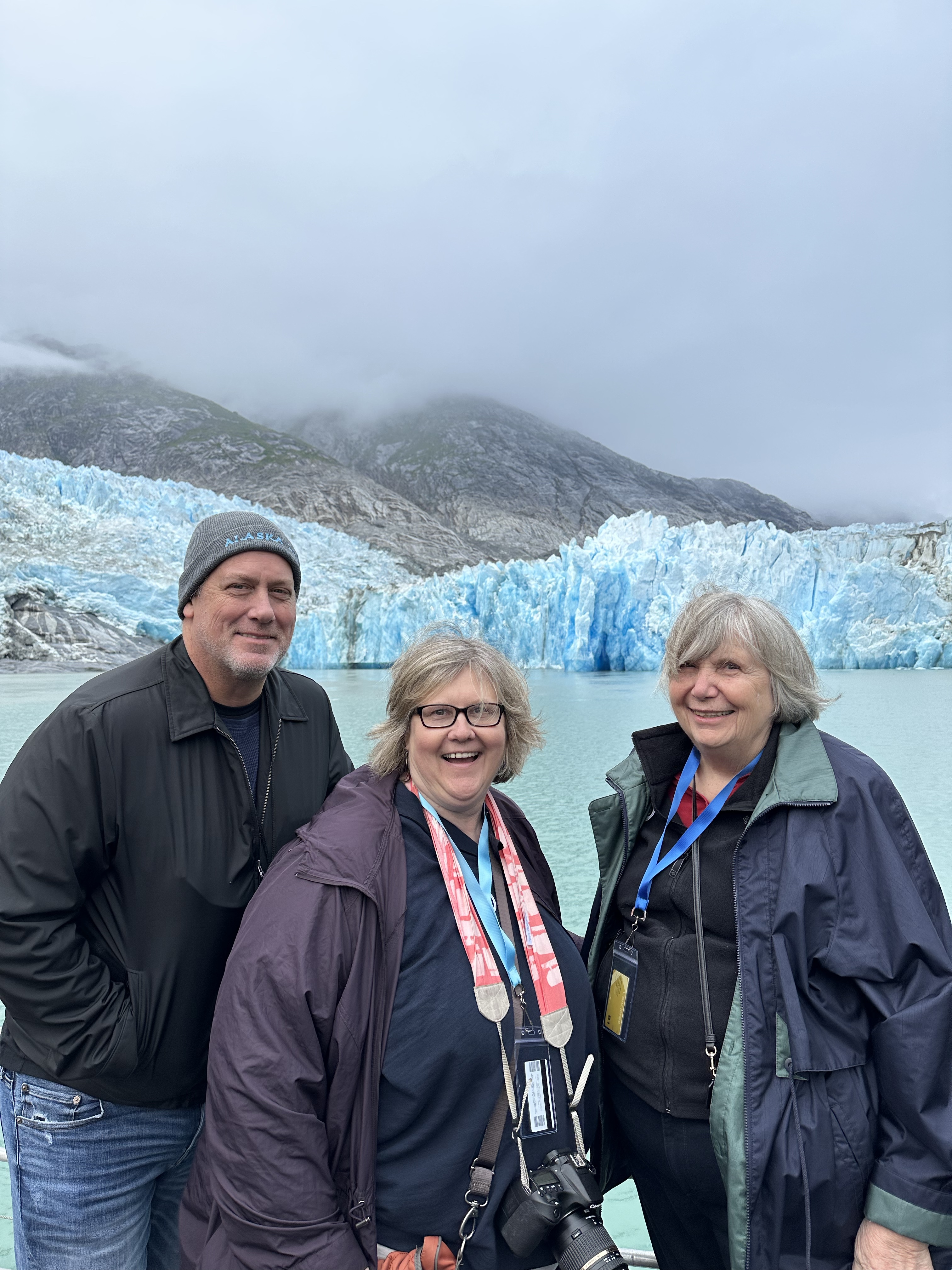
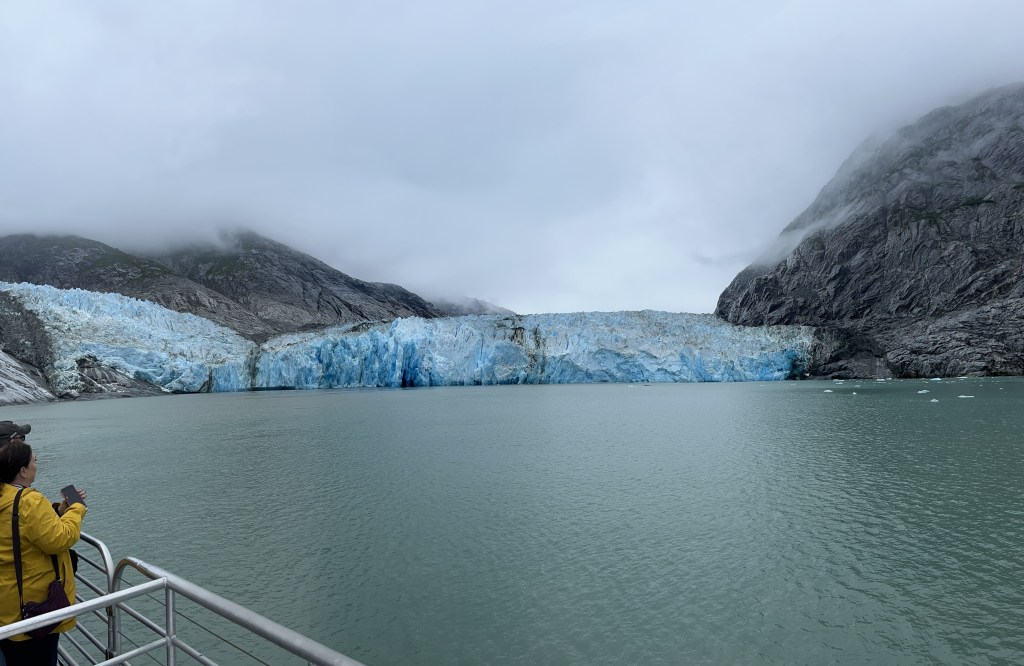
We set an early alarm for 5 AM because our excursion to the Endicott Arm Fjord, and Dawes glacier started at 7:15 AM. This glacier is located at the end of a glacier-carved fjord called Endicott Arm, which is off of the Stephens Passage seaway in southern Alaska. It’s protected within the Tongass National Forest, Dawes Glacier was originally named “Young Glacier” in 1880 by John Muir. In 1892, the U.S. Coast and Geodetic Survey changed it to its current name in honor of Massachusetts lawyer and statesman Henry Laurens Dawes. Over 600 feet tall and around one mile broad, Dawes Glacier is a mighty remnant of an even bigger ice block that forged Endicott Arm Fjord thousands of years ago. Consisting of two massive glaciers and combined by a medial moraine at the middle, Dawes Glacier covers 250 feet of ice underneath the surface of the glacier.
About 100 of us boarded a boat was drove closer to the glacier, then the cruise ship was allowed. Once they dropped us off, our ship, the Celebrity Solstice, left us and headed to Juneau.
The best part of waking up that early was that you could see icebergs in the water. I skipped breakfast to capture some photos. As we got closer we got to the glacier, the icebergs kept getting bigger.
Here are some tips we learned about the age and color of the glacial. The color can help indicate the strength of ice: Clear blue ice is strongest. White opaque or snow ice is half as strong as blue ice – this type of ice forms by wet snow freezing on the ice.
- Deep blue ice – is thought to be 10,000 years old. We can only see that blue color when we see the deeper layers of ice. This happens along the leading edge of the glacier, where the ice is calving, or breaking apart. The deep layers of ice in ice sheets are also blue. Ice sheets are typically covered with layers of new ice and snow that appear white.
- Clear ice – 300 years old
- White ice – new ice and snow
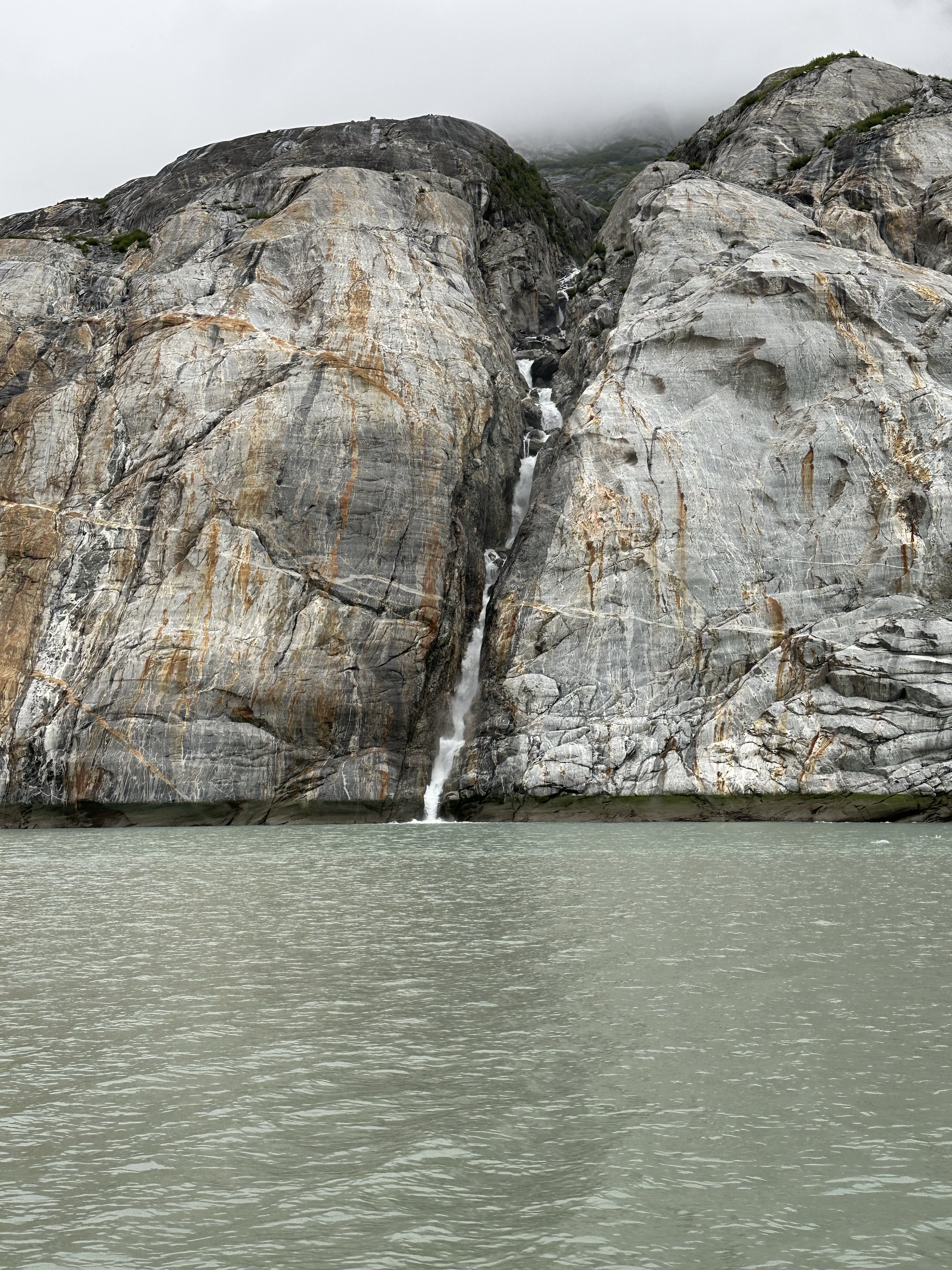
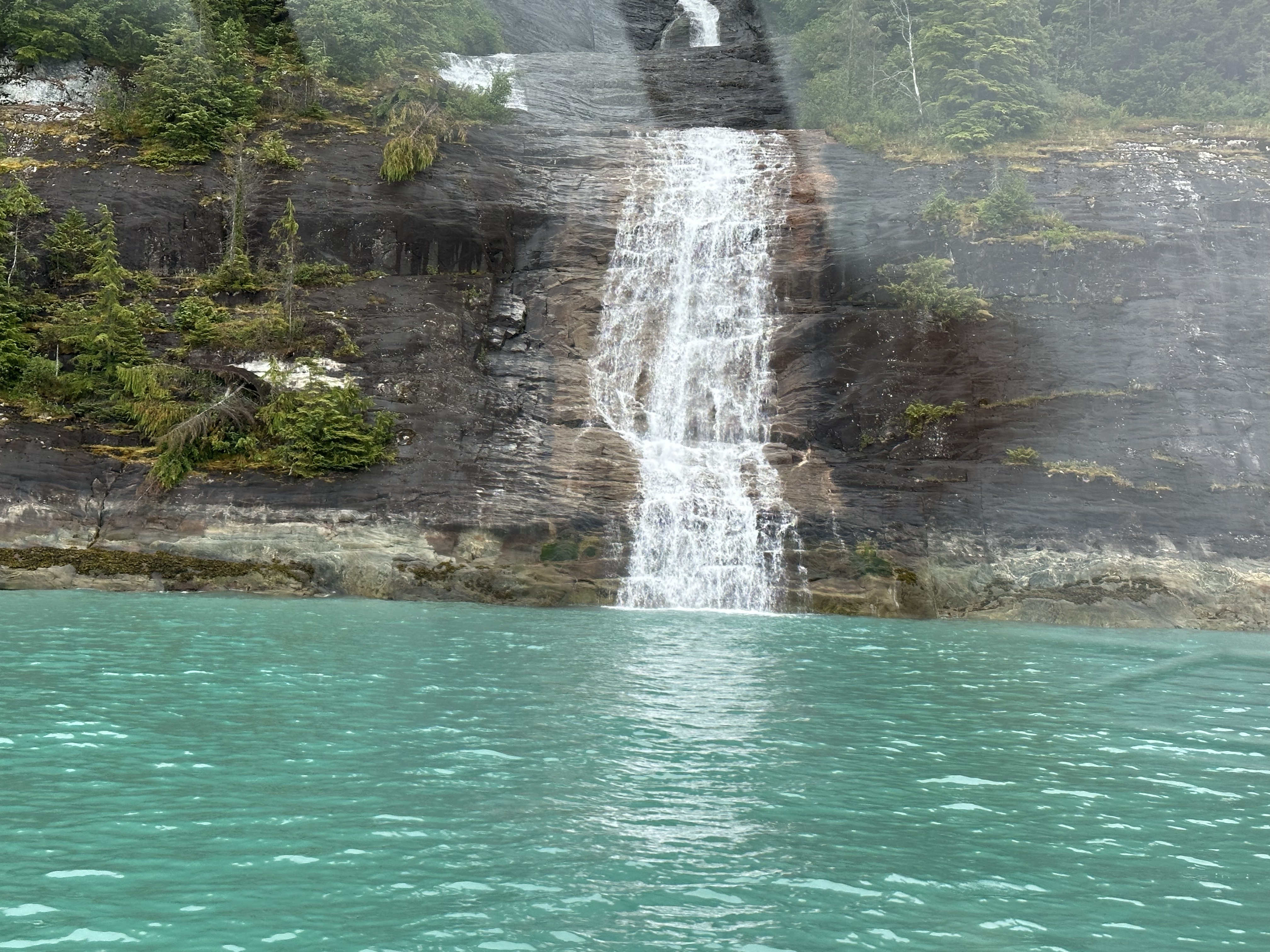
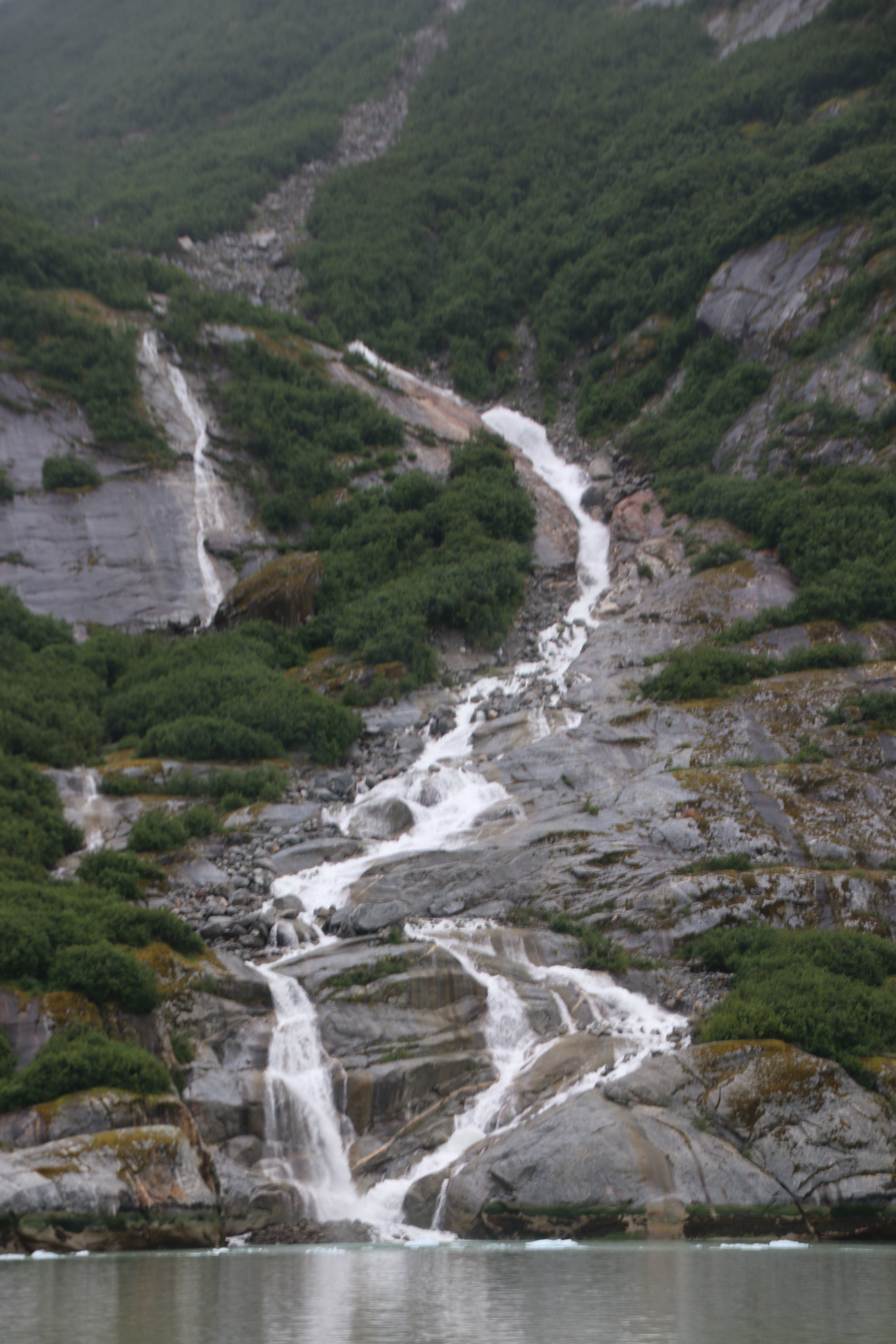
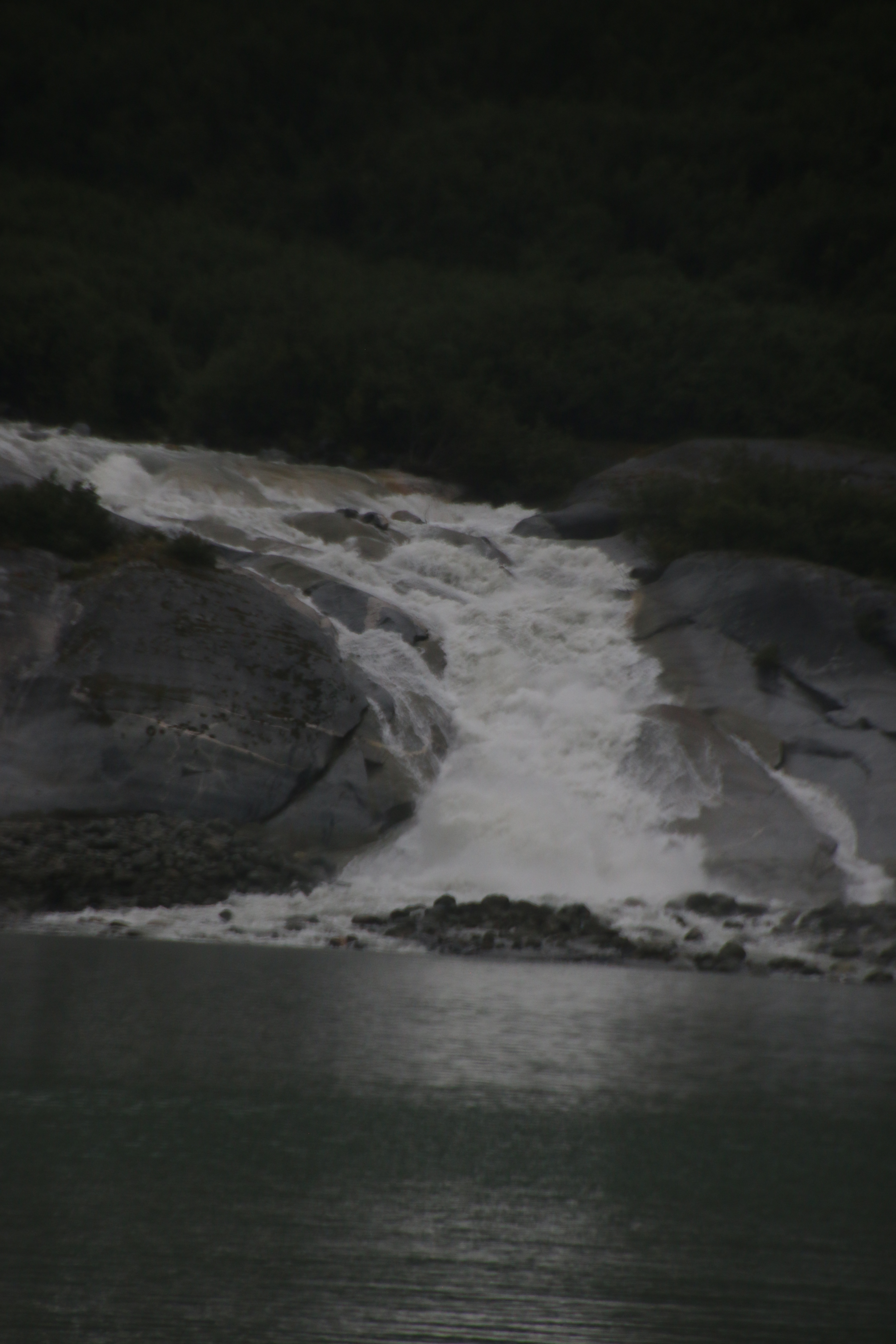
The captain of our boat took us close to the glacier, there were beautiful, icebergs, scattered everywhere, waterfalls, and cascades, flowing down from the mountains and ahead of us, the Dawes glacier. We waited. We waited
We saw a few sea lions in the water near the glacier. We also saw some on icebergs on our way out of the fjord. Endicott Arm is actually one of the largest breeding grounds for harbor seals, so your chances of seeing these cute little critters swimming and resting on icebergs is very high. They are protected in this area because of the glaciers salt in the water. The orcas won’t swim into the area. The female sea lions come in to give birth, nurse their babies for about a month, and then they leave the area.
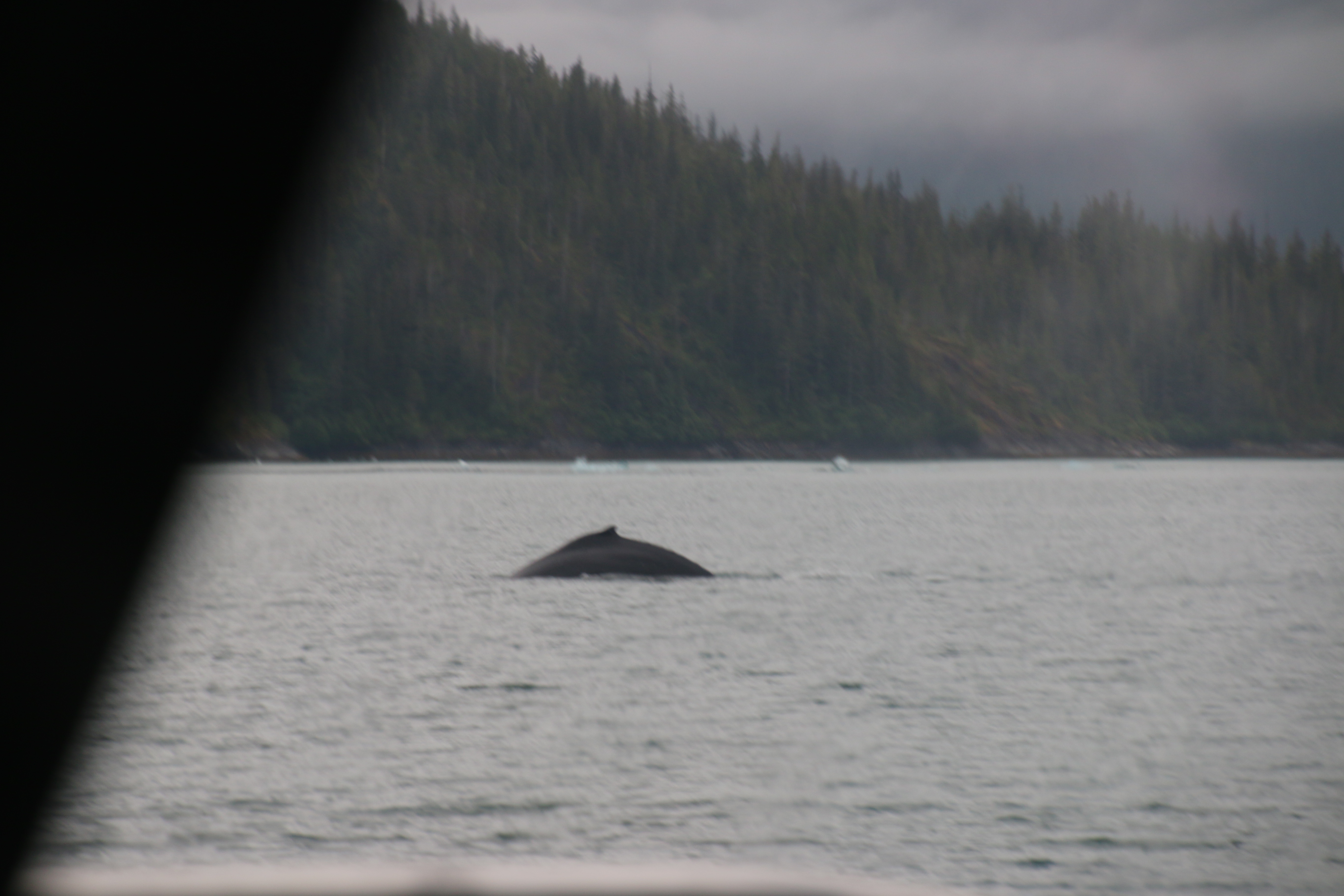
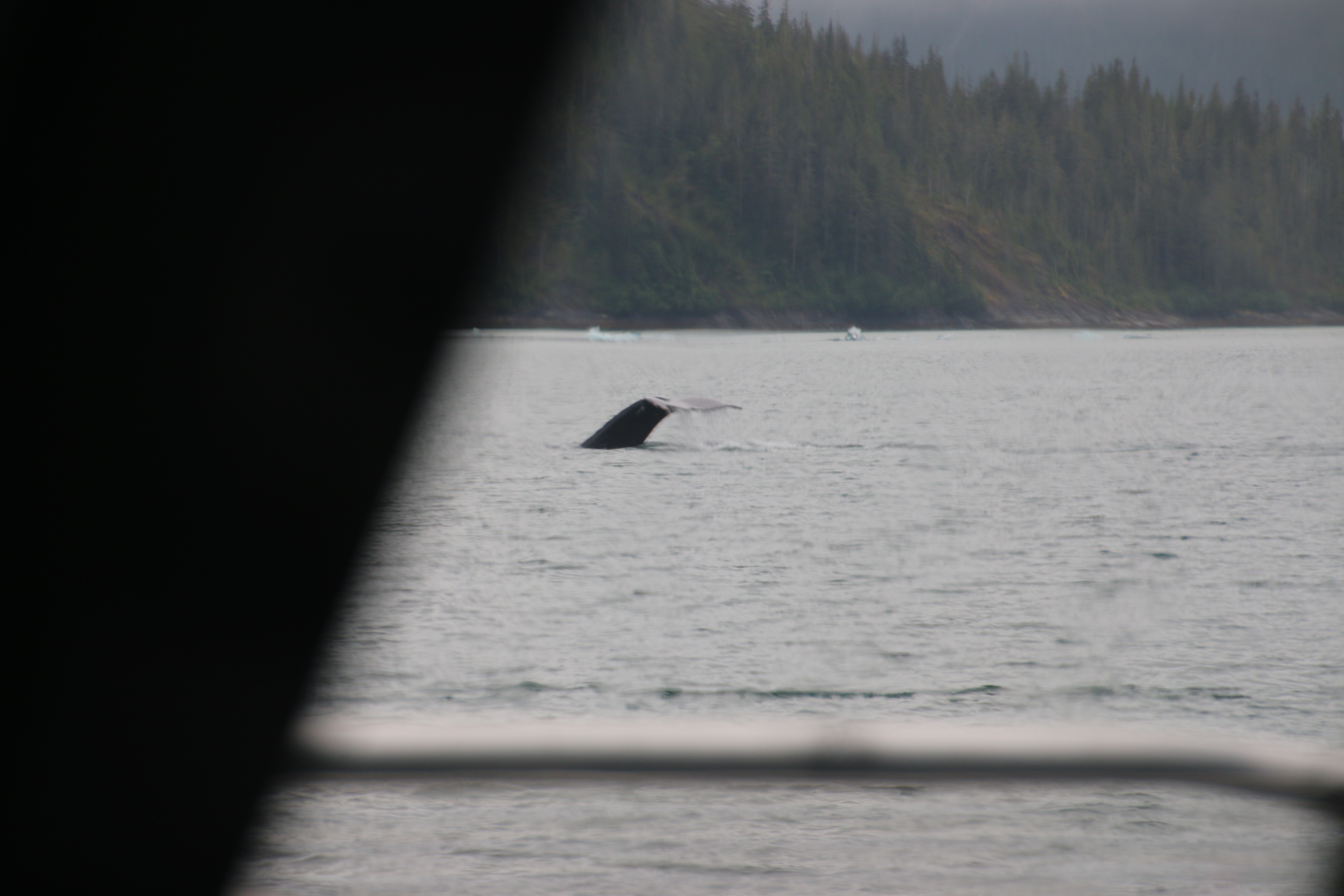
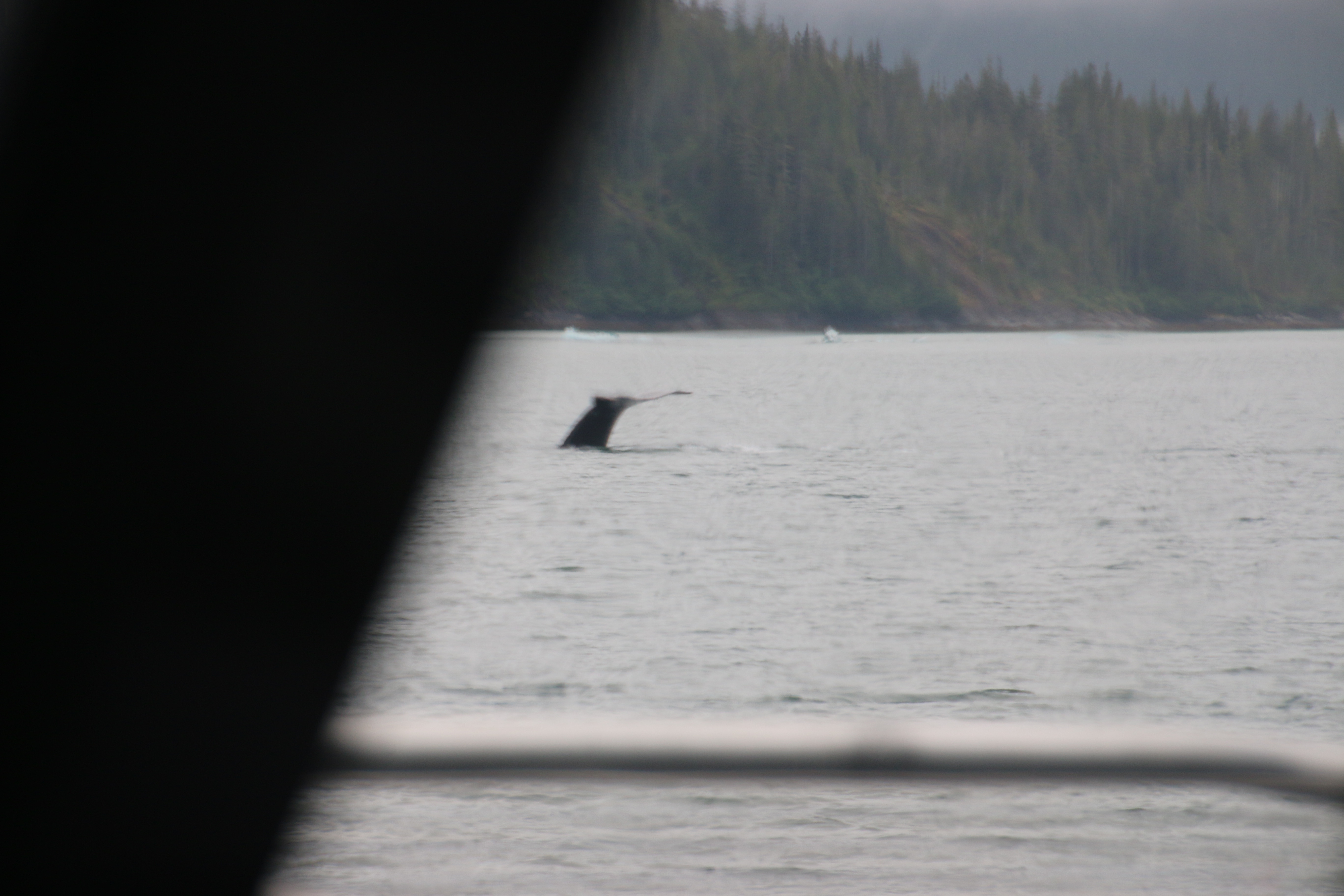
We had to take the boat to Juneau and that took approximately three hours. It was a long, boring commute, but we had some excitement along the way. For example, we saw a solo humpback whale in XXX. John spotted his blow hole and we found him or her for a little bit to see him come up and dive down at least three times. The crew on the boat said this is the first time they’ve ever seen a humpback in the world is waters. So that was kind of cool.
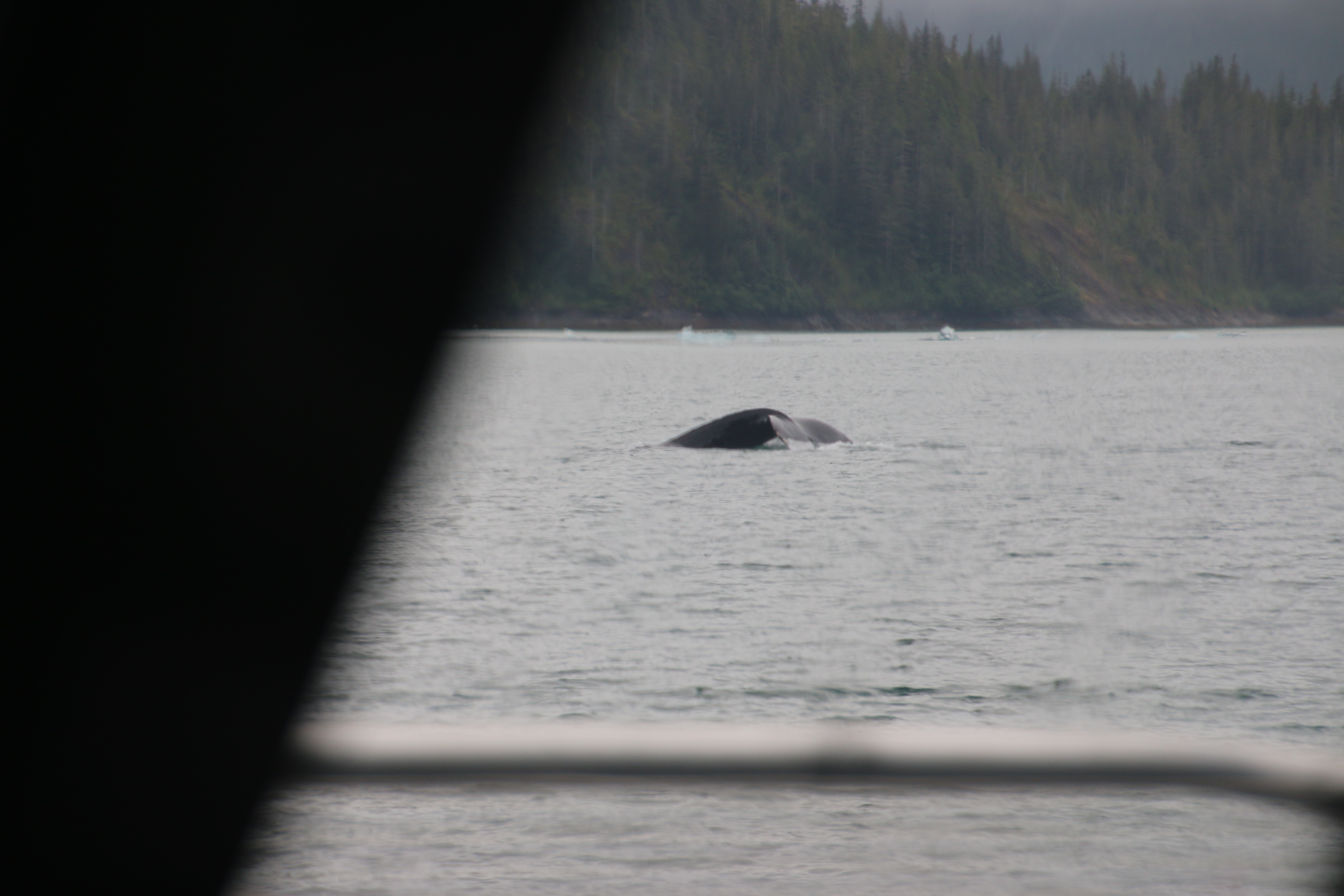
At one point when we were in Steven‘s Passage, our captain started driving the boat around in a circle. We didn’t understand why, then learned that someone spotted a puffin. We looked and looked for this puffin, and saw a few bars, but cannot guarantee that they were puffins.
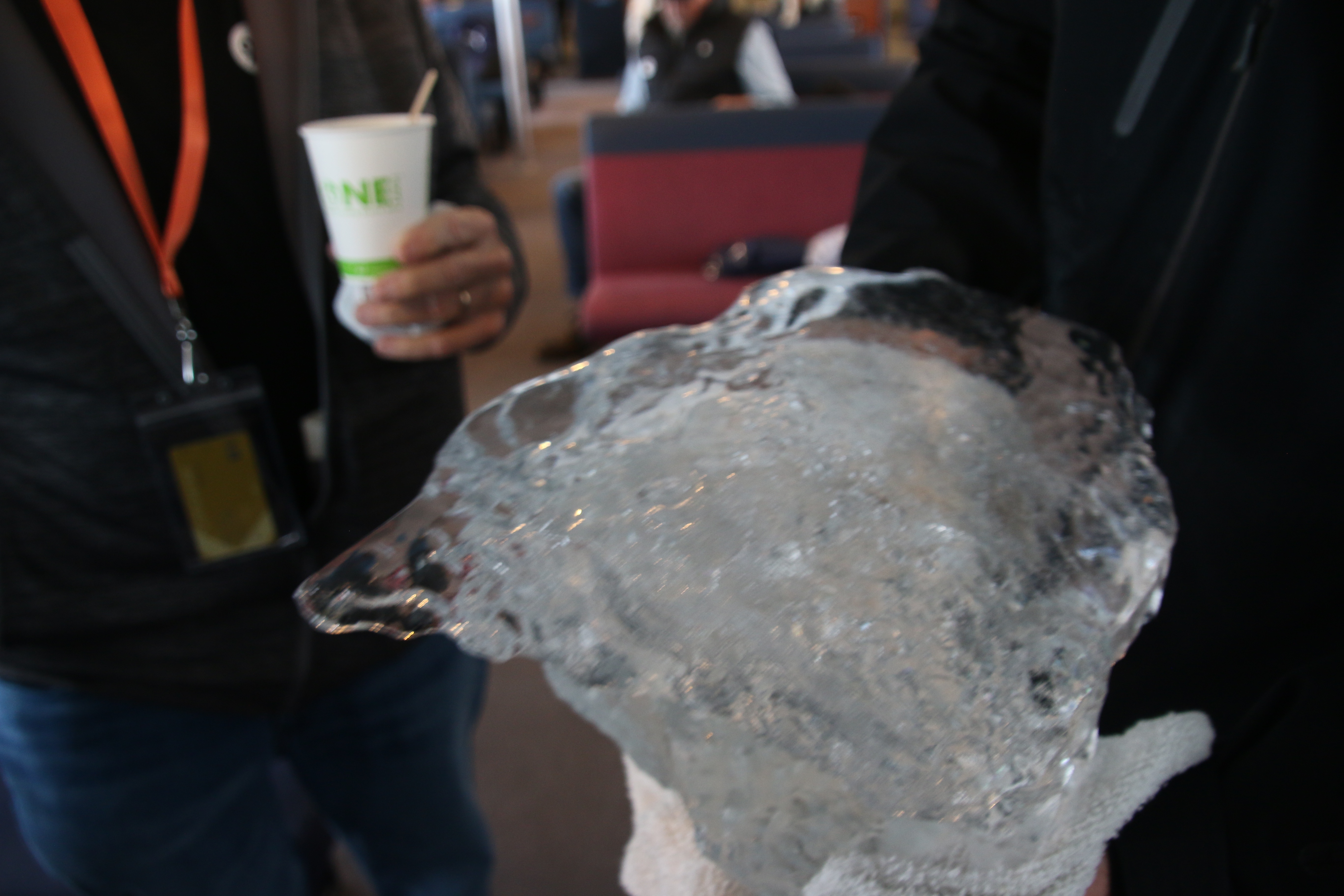
One of the crew members threw out a net and captured a few pieces of glacier ice from the water for us to touch, look at and explore.
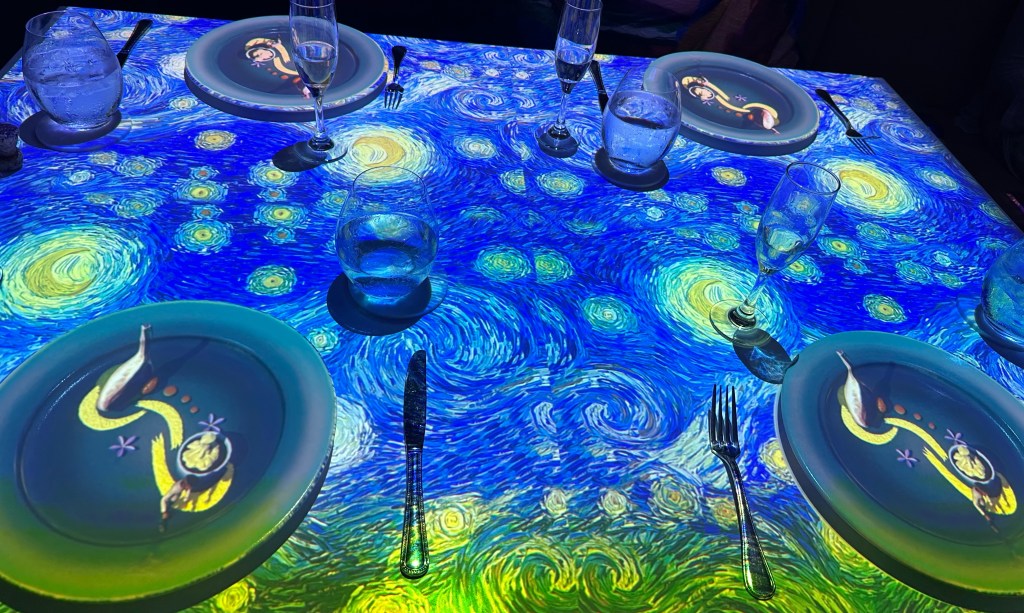
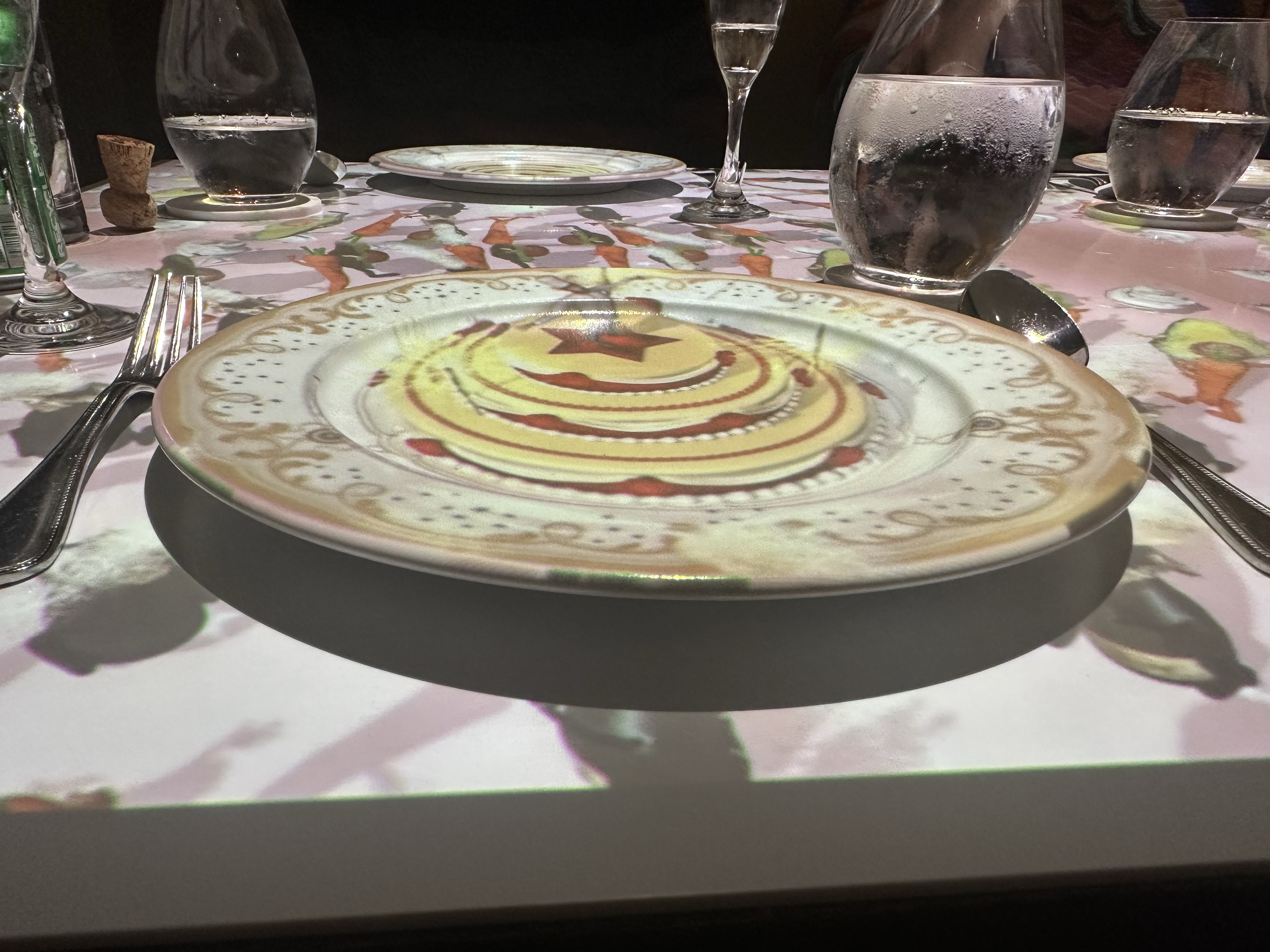
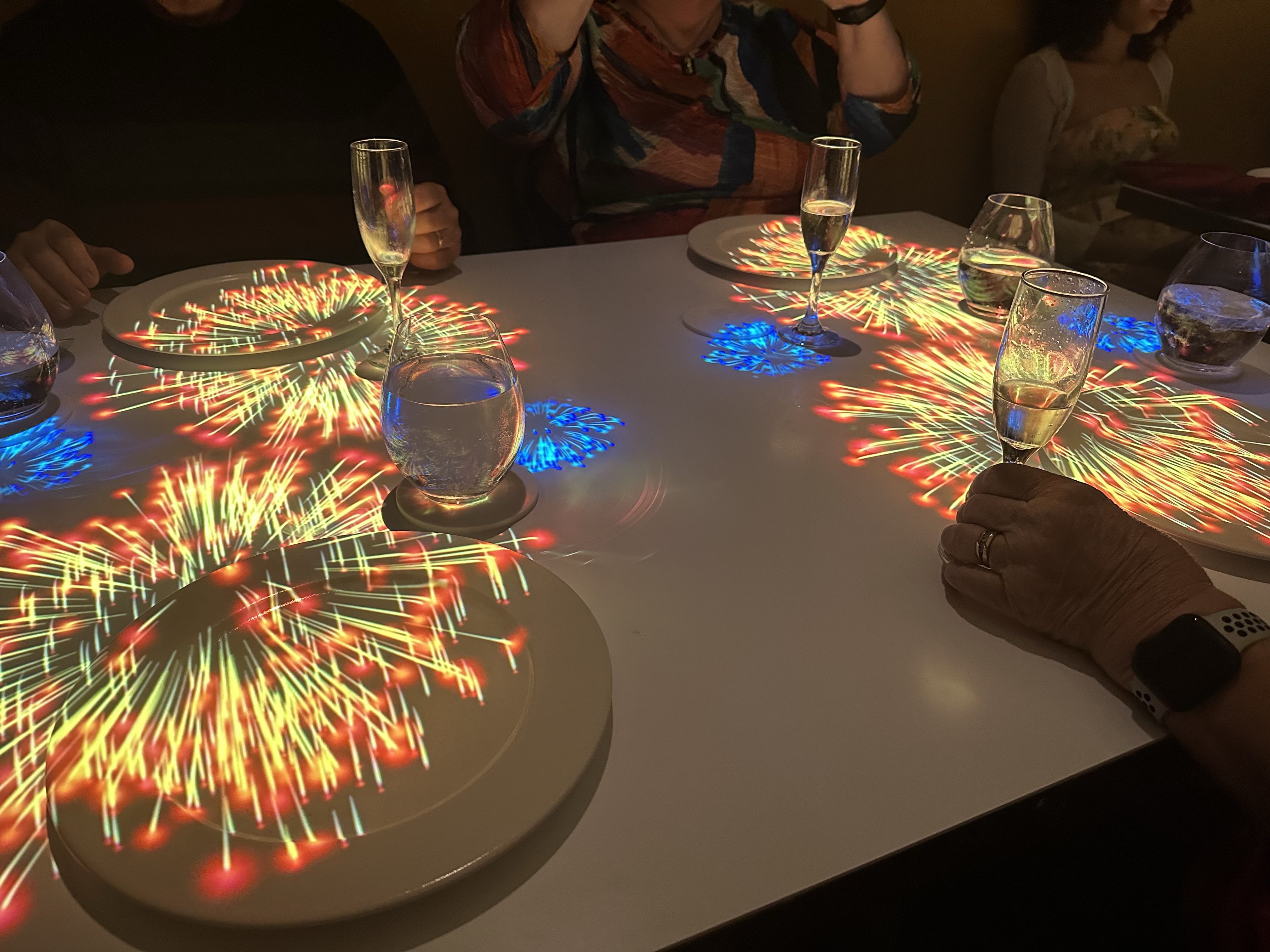
For dinner, mom and I made a reservation with Bowman and John at Le Petit Chef. It was quite an experience as a little cartoon chef was as projected onto our plates and table and educated and entertained us.


 Traveljunkies